
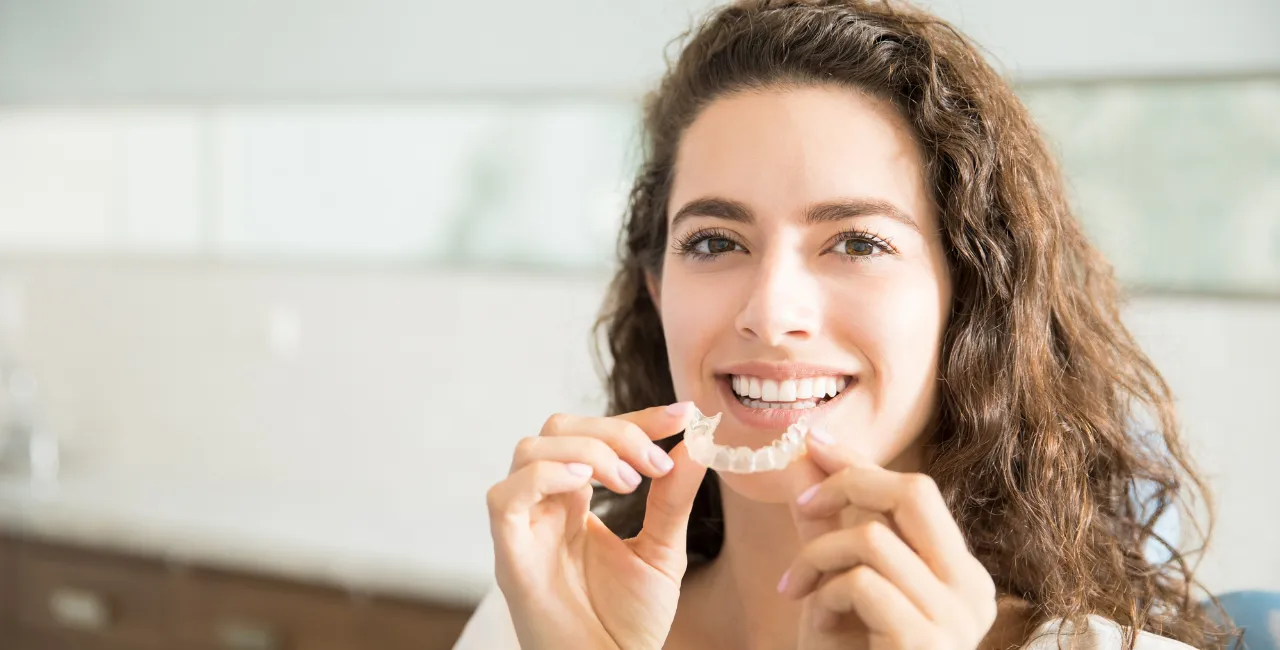
In today’s world, a flawless smile is more than just a confidence booster—it’s often seen as a personal asset. With multiple orthodontic solutions available, many patients wonder whether Invisalign braces can outperform traditional braces in perfecting their smile. While both treatment options aim to straighten teeth and improve bite alignment, the journey and end results can vary significantly depending on the chosen method.
At White Perfect Dental, we regularly help patients weigh the pros and cons of Invisalign versus braces, tailored to their unique dental needs and lifestyle goals. In this article, we’ll explore how Invisalign compares to traditional braces in terms of aesthetics, comfort, efficiency, and long-term outcomes.
The primary distinction lies in the appearance and mechanics. Traditional braces involve metal brackets and wires fixed to the teeth, which are gradually adjusted to guide the teeth into alignment. Invisalign, on the other hand, uses a series of clear plastic aligners that are custom-made and changed every one to two weeks.
Invisalign braces are nearly invisible when worn, making them an attractive choice for image-conscious teens and adults. They are also removable, which allows patients to eat, brush, and floss with ease—something that fixed braces do not permit.
Patients at White Perfect Dental often appreciate the discreet design of Invisalign, especially those in professional or social settings where appearances matter.
When it comes to straightening teeth and correcting bite issues, both Invisalign and braces are effective, but their suitability depends on the complexity of the case.
Traditional braces are typically more powerful for addressing severe crowding, rotated teeth, large gaps, or complex bite problems such as underbite or crossbite. Their fixed design allows precise control over each tooth’s movement, making them ideal for advanced orthodontic needs.
Invisalign braces are highly effective for mild to moderate alignment issues. Thanks to advancements in technology, including SmartTrack materials and digital treatment planning, Invisalign can now tackle more complex cases than before. However, for extreme misalignment, braces may still be the better choice.
White Perfect Dental performs a detailed assessment using 3D scans and simulations to determine the most effective approach for each patient.
One of Invisalign’s most celebrated advantages is its comfort. The aligners are made from smooth, BPA-free plastic and lack the metal wires and brackets that often cause irritation or sores in the mouth.
Since Invisalign aligners are removable, patients experience greater flexibility in their daily lives. There are no food restrictions, and oral hygiene is easier to maintain. However, they must be worn 20 to 22 hours per day to remain effective, which requires discipline and commitment.
In contrast, braces are always working since they are fixed. But they also require more frequent in-clinic adjustments and can make brushing and flossing more challenging.
At White Perfect Dental, we offer guidance on how to integrate Invisalign into your routine seamlessly, ensuring you get the most from your treatment without sacrificing comfort.
Both Invisalign and braces are designed to deliver lasting results when treatment is followed through correctly. However, retention is key—no matter the method used.
After treatment, patients typically need to wear retainers to maintain their new alignment. Invisalign users often transition smoothly into clear retainers that look and feel like their previous aligners.
The long-term effectiveness of Invisalign braces largely depends on patient compliance. Those who stick to the wear schedule and attend regular check-ups usually achieve results on par with, or even superior to, those seen with traditional braces.
At White Perfect Dental, we monitor each patient’s progress closely and offer aftercare solutions to maintain the results for years to come.
While Invisalign has improved in handling complex cases, traditional braces are still more effective for severe misalignment. A dental assessment is essential for personalised advice.
In many cases, yes. The advanced technology and custom aligners make Invisalign more costly, but the benefits in comfort and aesthetics often justify the price.
Treatment typically ranges from 6 to 18 months, depending on the complexity of the case. Some patients see noticeable results in just a few months.
Some patients may experience a slight lisp at the beginning, but this usually fades as they adjust to wearing the aligners.
Yes, Invisalign Teen is specifically designed for younger patients and includes features like eruption tabs and wear indicators.
Perfecting your smile is a personal journey, and both Invisalign and traditional braces offer reliable paths to straighter teeth and improved oral health. While traditional braces remain the gold standard for complex cases, Invisalign braces shine in their ability to provide a discreet, comfortable, and flexible treatment experience.
At White Perfect Dental, we’re here to help you choose the best orthodontic solution tailored to your lifestyle and dental goals. Visit our blog page to get extra information and contact us to make an appointment. Let us help you discover your best smile—your way.

Fissure sealant
Dental fillings
Root canal treatment
Tooth extraction
Wisdom tooth removal
Crowns & bridges
Branches & Operating Hours
Contact Information
Make an Appointment
Fissure sealant
Dental fillings
Root canal treatment
Tooth extraction
Wisdom tooth removal
Crowns & bridges
Branches & Operating Hours
Contact Information
Make an Appointment
Copyright © White Perfect Dental Surgery Sdn Bhd (Company No. 201001012274 (1000198-P)).
Website Managed by MYSense. All Rights Reserved.