
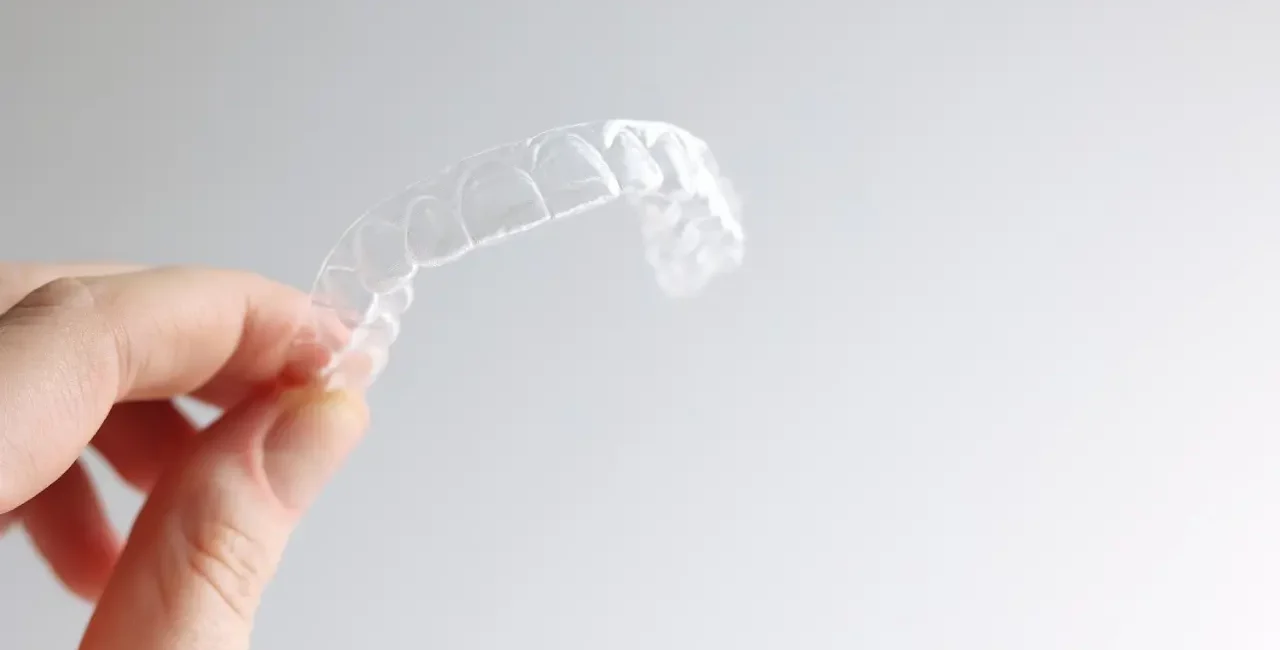
Finishing your orthodontic journey is a moment of pure joy and relief. After months or even years of wearing brackets or clear aligners, the day your teeth are finally revealed is a major milestone for your confidence. However, the work does not stop the moment your braces come off. To ensure your new smile stays in its perfect position, you will need to use a retainer. This small but vital tool is what prevents your teeth from gradually shifting back to their original crowded or crooked state.
The transition from active treatment to the retention phase can raise many questions for patients. Most people wonder which type of device will best suit their lifestyle while providing the most reliable results for their specific dental anatomy. Whether you have just finished a course of traditional metal braces or completed your journey with Invisalign, choosing the right way to hold your teeth in place is essential for protecting the investment you have made in your oral health.
Making an informed choice requires a clear understanding of the mechanics behind both fixed and removable options. At a professional practise like White Perfect Dental Clinic, dentists prioritise educating patients on how to maintain their results for the long term. By evaluating your daily habits and the specific needs of your dental alignment, you can find a solution that offers both comfort and security. Understanding the differences between these systems ensures that your smile remains as straight as the day your treatment ended.
It is important to understand that teeth are not fixed permanently into the jawbone like nails in a piece of wood. Instead, they are held in place by a complex network of ligaments and fibres that are naturally elastic. When orthodontic appliances move your teeth, these fibres are stretched, and they will naturally try to pull your teeth back to their old positions as soon as the pressure is removed.
The primary goal of any retention strategy is to prevent what is known as orthodontic relapse. This happens when the teeth begin to drift, often resulting in small gaps or slight crowding that can worsen as the years go by. Many patients find that reviewing the progress made in a before-and-after gallery serves as a great reminder of why staying diligent with your device is so important. Without a consistent force holding them in place, even the most perfectly aligned teeth can lose their shape within just a few months.
During the first six to twelve months after your braces are removed, your teeth are at their most vulnerable. The bone around the roots needs time to harden and calcify in the new position to provide a stable foundation.
Removable options are the most popular choice for patients because they offer a high level of convenience. These devices can be taken out for eating, drinking, and cleaning, which allows you to maintain your normal lifestyle without significant changes. They typically come in two main styles: the clear plastic Essix type that looks like an aligner, or the traditional Hawley type which uses a metal wire attached to an acrylic plate.
The clear plastic version is a favourite among adults because it is almost invisible when you are speaking or smiling in public. It covers the entire chewing surface of the teeth, providing excellent protection against shifting. On the other hand, the Hawley version is incredibly durable and can last for many years if handled with care. Because these devices are removable, it is much easier to maintain your oral hygiene. Patients who prioritise a thorough teeth scaling and polishing routine often prefer removable devices because they allow for unobstructed access to every tooth surface.
When evaluating whether a removable system is right for you, it is helpful to look at the practical advantages they offer in a real-world setting.
A fixed retainer, often called a bonded or permanent wire, is a thin metal strand that is glued to the back of your front teeth. This option is particularly popular for the lower teeth, where relapse is most common. Because it is permanently attached, you do not have to worry about remembering to put it in or losing it while you are out at a restaurant or travelling.
For patients who struggle with consistency or have a very busy schedule, a fixed wire offers a reliable solution. It provides constant, twenty-four-hour support to your teeth, ensuring they never have the opportunity to move even for a few hours. This is especially helpful for younger patients or those who have had significant gaps closed during their treatment. According to the Oral Health Foundation, maintaining the results of teeth straightening is a lifelong commitment, and a fixed wire provides that continuous support without any daily effort.
While fixed wires are incredibly effective at preventing movement, they do require a bit more attention when it comes to your cleaning routine. Food particles can easily get trapped behind the wire, making it a hotspot for plaque and tartar buildup if not cleaned properly.
Deciding between fixed and removable systems often comes down to a detailed discussion between you and your dental professional. Many modern clinics now recommend a hybrid approach to provide the best of both worlds. For example, a patient might have a fixed wire on the lower teeth for permanent stability and a removable clear tray for the top teeth to wear while sleeping. This dual strategy ensures that both arches are protected from relapse in the most efficient way possible.
Your choice should reflect how much responsibility you are willing to take on for your dental health. If you know you are prone to losing things or might forget to wear a removable tray, a fixed wire is likely the safer bet for your smile. However, if you are very disciplined with your hygiene and want the ability to have a mouth free of wires during the day, a removable option provides that flexibility. Professional clinics like White Perfect Dental Clinic will help you weigh these factors to find the most comfortable fit for your specific dental anatomy.
Regardless of the type you choose, it is vital to understand that retention is a long-term commitment. Teeth are dynamic and can continue to shift throughout your life as your jaw changes shape with age.
Here are common questions about a retainer we often receive from our patients:
A retainer is a custom-made dental appliance designed to hold your teeth in their new positions after orthodontic treatment. It works by providing a passive force that resists the natural tendency of teeth to shift or relapse. By wearing it as directed, you allow the bone and gums to stabilise around the roots of your teeth, ensuring that your alignment remains straight and functional for years to come.
Most dentists advise against stopping entirely because teeth have a natural tendency to move throughout your life. While you might be able to reduce the frequency of wear after the first year or two, completely stopping often leads to minor crowding or shifting over time.
A clear retainer usually lasts between six months and two years depending on how well you care for it and whether you grind your teeth at night. Hawley devices made of acrylic and metal are much more durable and can last five to ten years if they are kept clean and handled with care.
It is common to feel a slight sense of pressure or tightness when you first start wearing your device or when you switch to a new set. This is simply a sign that the appliance is doing its job and holding your teeth firmly in their correct positions. Any minor discomfort or increased saliva production usually disappears within a few days as your mouth and tongue adjust to the new addition.
Removable devices should be cleaned daily using lukewarm water and a soft toothbrush; you should avoid using toothpaste on clear plastic trays as it can be abrasive and make them look cloudy. For a deeper clean, you can use specialised cleaning tablets once a week. Fixed wires require careful flossing with a threader or an interdental brush to ensure that no plaque or food debris stays trapped against the enamel of your teeth.
Protecting the results of your orthodontic treatment is just as important as the treatment itself. Whether you choose the constant security of a fixed wire or the lifestyle flexibility of a removable tray, the goal remains the same: a healthy and beautifully aligned smile that lasts a lifetime. By understanding the differences between these options, you can work with your dental team to create a retention plan that fits your needs and habits perfectly.
Maintaining your smile requires a small amount of daily effort, but the benefits of a straight and functional bite are well worth the commitment. A properly held smile is easier to keep clean, less prone to uneven wear, and provides a massive boost to your self-confidence. With the right support and regular professional care, you can ensure that the hard work you put into your orthodontic journey pays off for decades to come.
If you have questions about which type of device is best for your unique situation or if you need a replacement for an old one, reaching out for expert advice is the best next step. We invite you to explore your options with a professional team and Contact Us to book a consultation and ensure your smile remains as perfect as the day your braces were removed by the experts at White Perfect Dental Clinic.

Fissure sealant
Dental fillings
Root canal treatment
Tooth extraction
Wisdom tooth removal
Crowns & bridges
Branches & Operating Hours
Contact Information
Make an Appointment
Fissure sealant
Dental fillings
Root canal treatment
Tooth extraction
Wisdom tooth removal
Crowns & bridges
Branches & Operating Hours
Contact Information
Make an Appointment
Copyright © White Perfect Dental Surgery Sdn Bhd (Company No. 201001012274 (1000198-P)).
Website Managed by MYSense. All Rights Reserved.