
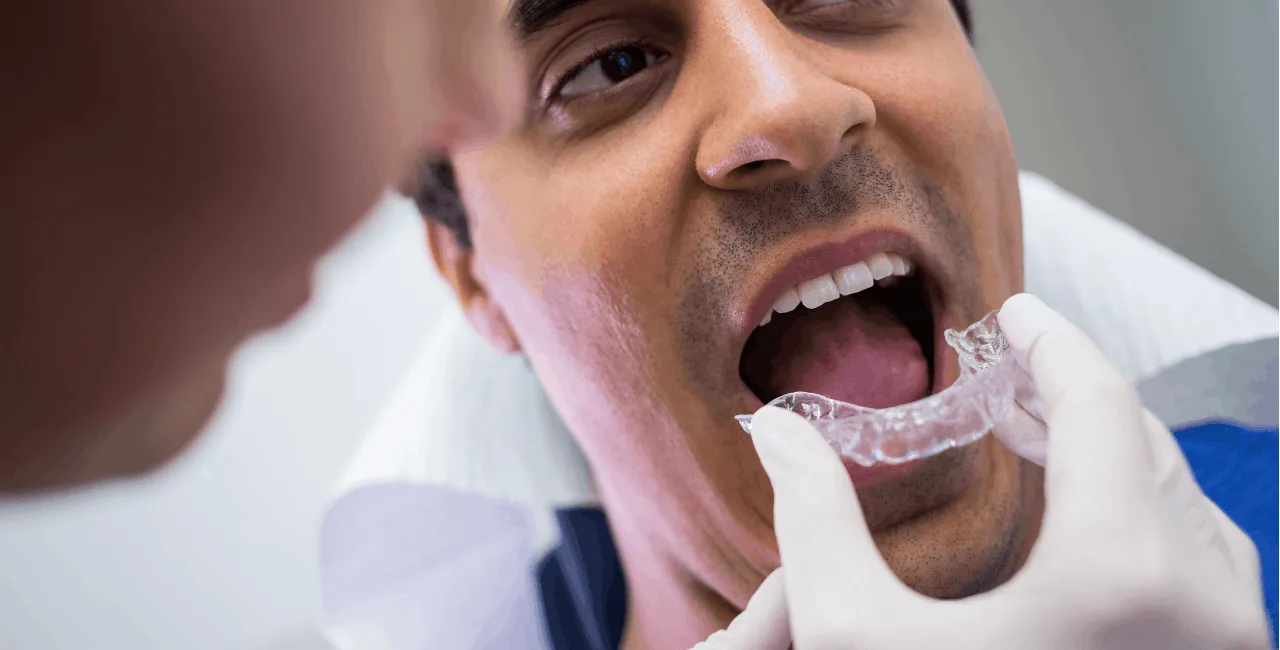
After months or years of wearing braces or clear aligners, seeing a straighter smile can feel like a major achievement. However, orthodontic treatment does not end the moment braces are removed or aligner treatment is completed. Teeth naturally have a tendency to shift, especially after they have just been moved into a new position. This is why a retainer is such an important part of long-term orthodontic success.
A retainer helps hold your teeth in their corrected position while the surrounding gums, bone, and soft tissues adapt. Without it, teeth may slowly move back towards their previous position, a process known as relapse. This can affect the appearance of your smile and may reduce the results you worked hard to achieve.
At White Perfect Dental, patients can receive personalised dental care, including orthodontic guidance, braces treatment, and aftercare support for maintaining a healthier, more confident smile.
A retainer is a custom-made dental appliance designed to keep teeth in position after orthodontic treatment. It is usually recommended after braces or aligners because teeth need time to stabilise in their new alignment.
The NHS explains that retainers are used at the end of orthodontic treatment to hold straightened teeth in place while the surrounding gum and bone adjust to their new position. It also notes that teeth are likely to move if retainers are not worn as advised.
A dental retainer may be removable or fixed. The type recommended depends on your bite, previous tooth movement, lifestyle, and dentist’s advice.
Teeth are held in place by bone, gums, and ligaments. During orthodontic treatment, braces or aligners apply controlled pressure to move teeth gradually. Once treatment ends, these supporting structures need time to settle.
If a retainer is not worn as instructed, teeth may begin to drift. This can happen quickly in the first few months after treatment, but minor movement can also continue throughout life. Retention is therefore not just a short-term step. For many patients, it is part of long-term smile maintenance.
Wearing a retainer protects the time, cost, and effort invested in orthodontic treatment. It helps maintain bite alignment, keeps teeth looking straighter, and reduces the chance of needing corrective treatment again in the future.
There are several types of retainers, and each has different advantages. Your dentist will recommend the most suitable option based on your teeth and treatment history.
A clear retainer looks similar to a thin transparent aligner. It fits snugly over the teeth and is often chosen because it is discreet and easy to wear. It should be removed when eating and cleaned regularly to prevent plaque and odour build-up.
A Hawley retainer is made with an acrylic plate and a thin wire that sits across the front teeth. It is removable, durable, and adjustable in some cases. Some patients prefer it because it is strong and long-lasting when cared for properly.
A fixed retainer is a thin wire bonded behind the teeth, usually on the front teeth. It stays in place and works continuously, making it useful for patients who may forget to wear removable retainers. However, it requires careful cleaning because plaque can build up around the wire.
Patients considering orthodontic treatment can also learn more about braces options through White Perfect Dental’s braces services.
The wearing schedule depends on your dentist’s instructions. Some patients may need to wear a retainer full-time in the early phase after braces or aligners, then switch to night-time wear. Others may be advised to wear it long-term at night.
It is important not to stop wearing it without professional advice. Teeth can continue to shift with age, chewing forces, habits, and natural changes in the mouth. Even if your teeth feel stable, long-term wear may still be recommended to maintain results.
If your retainer feels tight after not wearing it for a while, it may be a sign that your teeth have started moving. Do not force it if it causes pain or does not fit properly. Book a dental review instead.
Proper care helps your retainer last longer and keeps your mouth healthier.
If you stop wearing your retainer, your teeth may gradually shift. This movement may be small at first, but over time it can become noticeable. You may see gaps reopening, crowding returning, or bite changes developing.
Some patients only notice movement when their retainer no longer fits. At that point, a new appliance may be needed, or further orthodontic treatment may be required if the teeth have shifted significantly.
The earlier you seek advice, the easier it may be to manage minor movement. If your appliance is broken, lost, or uncomfortable, contact your dental clinic instead of delaying care.
A retainer does not last forever. Watch out for these signs that it may be time for a replacement:
Good oral hygiene is essential when wearing a retainer. Plaque and bacteria can build up on dental appliances, increasing the risk of bad breath, gum irritation, and tooth decay.
Here are common questions about retainers we often receive:
A retainer is a custom-made dental appliance used after braces or aligners to help keep teeth in their corrected position.
Retainer is needed because teeth can move after orthodontic treatment. It helps maintain alignment while the gums and bone stabilise around the teeth.
The schedule depends on your dentist’s advice. Many patients wear it full-time initially, then switch to night-time wear for long-term maintenance.
Yes. Teeth can gradually shift if you stop wearing your appliance as instructed, especially during the first months after treatment.
Both can be effective. A fixed option works continuously, while a removable one is easier to clean. Your dentist will recommend the best type for your case.
A retainer is an essential part of maintaining your orthodontic results. After braces or aligners, it helps keep teeth in their new position, protects your smile investment, and reduces the risk of relapse. Whether removable or fixed, it must be worn and cared for properly to remain effective.
Good habits make a major difference. Wear your appliance as instructed, clean it daily, store it safely, and attend regular dental reviews. If it breaks, feels uncomfortable, or no longer fits, seek professional advice early.
For personalised orthodontic aftercare and dental support, visit White Perfect Dental or book a consultation with our dedicated dentist today for personalised advice.

Fissure sealant
Dental fillings
Root canal treatment
Tooth extraction
Wisdom tooth removal
Crowns & bridges
Branches & Operating Hours
Contact Information
Make an Appointment
Fissure sealant
Dental fillings
Root canal treatment
Tooth extraction
Wisdom tooth removal
Crowns & bridges
Branches & Operating Hours
Contact Information
Make an Appointment
Copyright © White Perfect Dental Surgery Sdn Bhd (Company No. 201001012274 (1000198-P)).
Website Managed by MYSense. All Rights Reserved.