
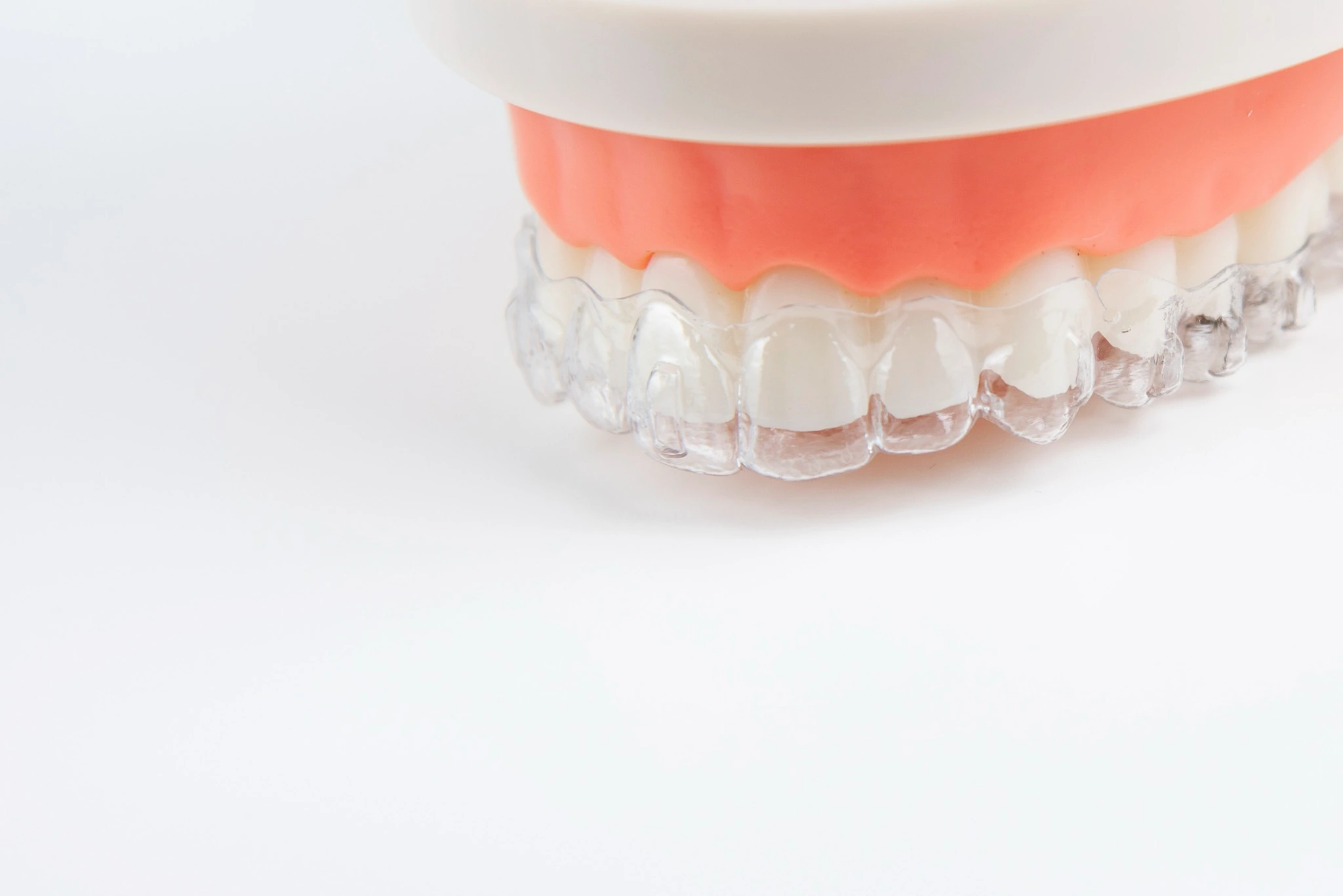
White Perfect Dental knows a straight smile does not end the day your braces come off. Your retainer after braces or clear aligner treatment holds your teeth in their corrected position, so how well you look after it decides whether that position lasts. Handle it carelessly and your teeth can slowly begin to shift again.
Wearing it is only half the job. Cleaning it matters just as much, since neglect leads to plaque, bacteria and odour, and rough handling can warp the material.
In short: hot water, harsh chemicals, rough brushing, poor storage and skipped cleaning are the mistakes most likely to damage a retainer or shorten its lifespan. A consistent daily routine, cool water, a soft brush and a protective case are all it takes to avoid them.
A retainer sits against your teeth for hours at a time, often overnight, so it collects saliva, bacteria and plaque quickly. Without regular cleaning, this build-up can cause bad breath, gum irritation and colour changes, while also warping or cracking the material itself, shortening how long the appliance lasts and how well it fits.
Clear plastic versions tend to turn cloudy first. Hawley retainers can trap plaque along the acrylic and wire, and fixed retainers need particular care since plaque gathers around the bonded wire itself.
The American Association of Orthodontists (AAO, 2025) notes that an uncleaned retainer can quickly become a breeding ground for bacteria, affecting both comfort and how long the appliance lasts.
The most common mistakes include cleaning with hot water, using harsh chemicals such as bleach or alcohol-based mouthwash, skipping daily cleaning, brushing too hard, eating while wearing the appliance, wrapping it in tissue instead of its case, leaving it exposed, neglecting the case itself, ignoring a bad smell, and continuing to wear a damaged retainer.
Rinse the appliance every time you remove it using cool or lukewarm water, then brush it gently with a soft toothbrush, covering the grooves where plaque collects. Let it air dry briefly before placing it in a clean, protective case, and avoid heat, harsh chemicals and careless storage at every step.
A fixed version needs floss threaders or interdental brushes around the bonded wire. Read more oral care habits on the White Perfect Dental blog.
A quick comparison:
Aspect | Removable Retainer | Fixed Retainer |
Cleaning method | Soft toothbrush and mild soap | Floss threaders or interdental brushes around the wire |
Frequency | Rinse after every removal, brush once daily | Clean at every regular brushing and flossing session |
Water temperature | Cool or lukewarm only | Cool or lukewarm only |
Storage | Protective case whenever it is out of the mouth | Stays in the mouth, no case needed |
Main risk | Warping from heat or loss from poor storage | Plaque build-up trapped around the bonded wire |
Here are common questions about the retainer and its role in dental care that we often receive:
Daily. Rinse it whenever you remove it and brush it gently with a soft toothbrush and mild soap at least once a day, and add a weekly soak in a cleaning solution made for dental appliances to clear the build-up that regular brushing tends to miss.
No. Hot water can warp the appliance and change how it fits, sometimes permanently. Stick to cool or lukewarm water for rinsing, brushing and any soaking, and avoid boiling water even if your only goal is to sanitise the appliance more thoroughly.
A bad smell usually points to bacteria or plaque that daily cleaning has missed. Clean it thoroughly with a soft brush and mild soap, wash the case too, since a dirty case undoes your effort, and book a check-up if the smell persists.
Most removable appliances should come out before eating, since chewing can crack or warp them and food particles get trapped underneath the plastic. Rinse your mouth or brush your teeth before putting it back in, and stick to plain water for any drinks.
Yes. A bonded wire behind the teeth traps plaque easily, so daily flossing with a threader or interdental brush is essential alongside normal brushing. Skipping this step can lead to gum irritation, staining or tartar build-up around the wire over time.
A retainer only works if it is cleaned and stored the right way. Mistakes like hot water, harsh chemicals, rough brushing, poor storage and skipped cleaning can all shorten its life and affect how well it holds your smile in place. White Perfect Dental helps patients build a routine that protects both the appliance and the results of their treatment.
Keep it simple: clean it daily, handle it gently, store it in its case, and see a dentist if it ever feels tight, loose, cracked or uncomfortable. If your retainer no longer feels right, book a consultation with White Perfect Dental today.

Fissure sealant
Dental fillings
Root canal treatment
Tooth extraction
Wisdom tooth removal
Crowns & bridges
Branches & Operating Hours
Contact Information
Make an Appointment
Fissure sealant
Dental fillings
Root canal treatment
Tooth extraction
Wisdom tooth removal
Crowns & bridges
Branches & Operating Hours
Contact Information
Make an Appointment
Copyright © White Perfect Dental Surgery Sdn Bhd (Company No. 201001012274 (1000198-P)).
Website Managed by MYSense. All Rights Reserved.