
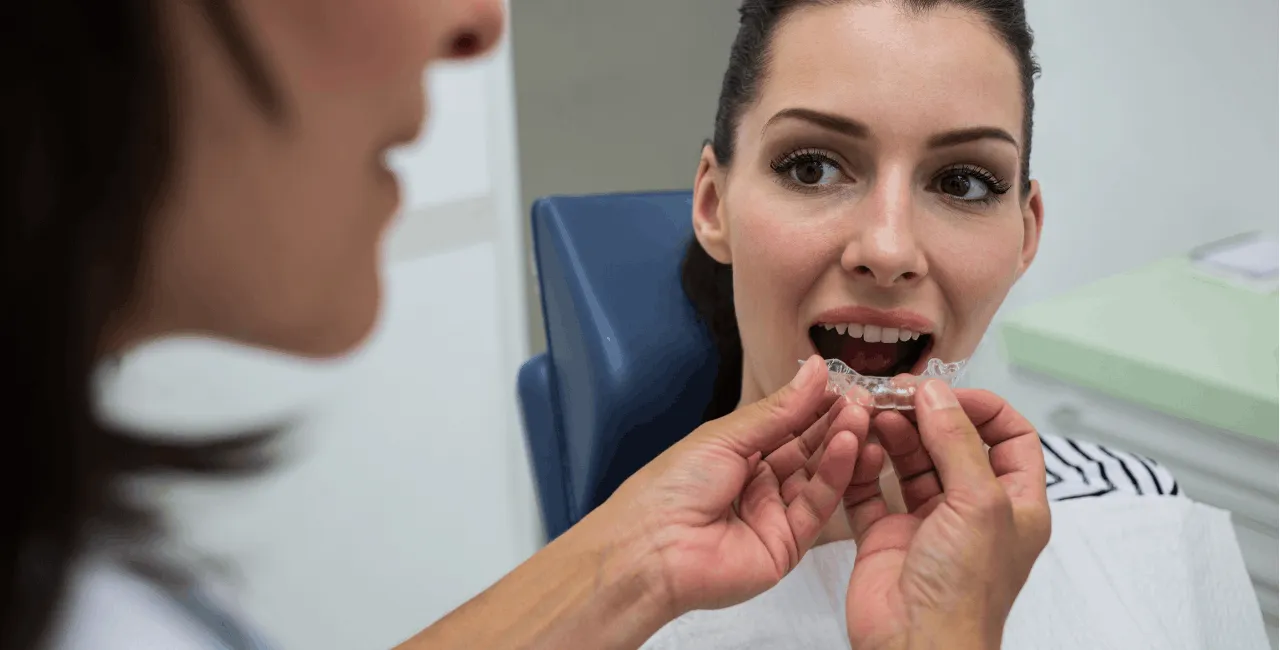
Properly aligned teeth can improve both appearance and confidence, but many patients today prefer orthodontic options that look subtle and fit comfortably into daily life. This is why invisible braces and Invisalign are often discussed together. Both are designed to straighten teeth more discreetly than traditional metal braces, but they are not always the same.
In general, invisible braces may refer to different discreet orthodontic options, including clear aligners, ceramic braces, or lingual braces. Invisalign, on the other hand, is a specific brand of clear aligner treatment. Understanding the differences can help you decide which option may suit your teeth, lifestyle, budget, and treatment goals.
At White Perfect Dental, patients can receive personalised orthodontic consultation to understand which teeth-straightening option is most suitable for their smile.
Invisible braces are orthodontic treatments designed to be less noticeable than traditional metal braces. They help move teeth into better alignment while keeping the appearance more discreet.
There are several orthodontic options available for those who prefer a less noticeable approach to straightening teeth:
The right option depends on the complexity of your case. Some patients only need mild alignment correction, while others need more detailed bite correction. A dentist can assess your teeth and recommend the most suitable treatment.
Invisalign is a well-known clear aligner system that uses a series of customised transparent trays to gradually move teeth. Each set of aligners is worn for a specific period before switching to the next set.
Like other clear aligners, Invisalign is removable, which means patients can take it out when eating, brushing, and flossing. This makes it convenient for people who want a flexible and discreet orthodontic option.
The NHS orthodontics guide explains that orthodontic treatment can improve the appearance, position, and function of crooked or abnormally arranged teeth. Whether using Invisalign or other invisible braces, the main goal is to guide teeth into healthier alignment.
Many people use the terms interchangeably, but they are not exactly the same. Invisalign is one type of clear aligner treatment, while invisible braces is a broader term that may include multiple discrete orthodontic options.
For example, ceramic braces may still be fixed to the teeth like traditional braces, but they look less noticeable. Lingual braces are also fixed, but they are placed behind the teeth. Clear aligners, including Invisalign, are removable and transparent.
This means the comparison is not only about brand name. It is about treatment style, comfort, discipline, cost, appearance, and suitability.
Invisible braces offer a more discreet alternative to traditional metal braces, but each type comes with its own advantages and limitations. The table below provides a quick comparison to help you decide which option may suit you best:
Type | Pros | Cons |
Clear Aligners | Removable and easy to clean; smooth fit reduces cheek and lip irritation; highly discreet | Must be worn for most of the day to be effective; requires discipline to avoid prolonged removal |
Ceramic Braces | Tooth-coloured or clear brackets blend naturally with teeth; less noticeable than metal braces | More fragile than metal brackets; slightly more visible than clear aligners |
Lingual Braces | Fixed behind the teeth and completely hidden from the front | May feel uncomfortable for the tongue initially; can temporarily affect speech; takes longer to adjust |
General Considerations
To explore orthodontic options suitable for your needs, visit White Perfect Dental’s braces services page.
Invisalign offers a clear and convenient approach to orthodontic treatment, but it does require commitment and may not suit every case. The table below outlines the key advantages and limitations to help you make a more informed decision:
Category | Pros | Cons |
Appearance | Aligners are almost invisible when worn, making them ideal for social and professional settings | None — appearance is one of Invisalign’s strongest advantages |
Comfort & Convenience | Removable for meals and cleaning; no food restrictions; easier to maintain oral hygiene | Must be stored properly when removed; risk of losing aligners if not handled carefully |
Wear Commitment | Flexible enough to be removed when needed | Must be worn around 20 to 22 hours per day; skipping wear time can slow progress or affect results |
Treatment Suitability | Effective for mild to moderate crowding, spacing, and certain bite issues | May not be suitable for severe bite problems, significant rotations, or complex tooth movements |
General Considerations
Comfort depends on the patient and treatment type. Clear aligners, including Invisalign, are often considered comfortable because they do not use brackets or wires. However, patients may still feel pressure when switching to a new aligner.
Ceramic braces may feel similar to metal braces because they are fixed onto the teeth. Lingual braces may feel more uncomfortable initially because they sit near the tongue.
During any orthodontic treatment, mild soreness is normal when teeth begin moving. Whether choosing Invisalign or other invisible braces, your dentist can explain what to expect and how to manage discomfort.
The best result depends on choosing the correct treatment for your case. Invisalign can work very well for suitable patients who wear their aligners consistently. Fixed invisible braces, such as ceramic or lingual braces, may be better for patients who need more controlled tooth movement or who may not remember to wear removable aligners.
A dental consultation is important because the dentist can check your teeth, bite, jaw relationship, oral health, and smile goals. At White Perfect Dental’s dental services page, patients can explore dental services that support both oral health and smile improvement.
Cost varies depending on treatment type, case complexity, treatment duration, and clinic planning. Clear aligner treatments may differ in price depending on the system used. Ceramic and lingual braces may also have different costs due to materials and technique.
Lifestyle is equally important. If you prefer removability and can commit to wearing aligners consistently, Invisalign may suit you. If you prefer a fixed option that works without needing to remember wear time, ceramic braces or lingual braces may be better.
Patients who travel often, attend many meetings, or prefer flexibility may like removable aligners. Patients who worry about losing aligners or forgetting to wear them may prefer fixed invisible braces.
Yes. After Invisalign, clear aligners, ceramic braces, or other orthodontic treatment, a retainer is usually needed to maintain the result. Teeth can shift after treatment if they are not held in place.
A retainer may be removable or fixed behind the teeth. Your dentist will advise how often to wear it. Wearing retainers as instructed is essential to protect your orthodontic results.
For orthodontic aftercare or treatment enquiries, patients can use the White Perfect Dental contact page.
Here are common questions about invisible braces we often receive:
No. Invisalign is a specific brand of clear aligners. Invisible braces however is a broader term that may include clear aligners, ceramic braces, and lingual braces.
Not always. Suitability depends on your teeth alignment, bite condition, oral health, and treatment goals. Get in touch with our dedicated dentist at White Perfect Dental today to discuss your treatment options and receive a personalised consultation.
Invisalign may cause mild pressure or soreness when teeth move, especially after changing aligners. This usually settles within a few days.
Invisalign is usually more discreet because it uses clear removable trays. Ceramic braces are less noticeable than metal braces but still visible.
Some cases can be treated, but severe crowding may need fixed braces or more complex orthodontic planning. A consultation is needed.
Invisible braces and Invisalign are both popular options for patients who want a straighter smile without the obvious look of traditional metal braces. Invisalign is a clear aligner brand, while invisible braces may include other discreet options such as ceramic braces and lingual braces.
The best choice depends on your dental condition, lifestyle, budget, discipline, and treatment goals. Clear aligners offer flexibility and subtle appearance, while fixed options may be better for certain complex cases or patients who prefer not to manage removable trays.
For personalised orthodontic advice, visit White Perfect Dental or contact White Perfect Dental to arrange an appointment.

Fissure sealant
Dental fillings
Root canal treatment
Tooth extraction
Wisdom tooth removal
Crowns & bridges
Branches & Operating Hours
Contact Information
Make an Appointment
Fissure sealant
Dental fillings
Root canal treatment
Tooth extraction
Wisdom tooth removal
Crowns & bridges
Branches & Operating Hours
Contact Information
Make an Appointment
Copyright © White Perfect Dental Surgery Sdn Bhd (Company No. 201001012274 (1000198-P)).
Website Managed by MYSense. All Rights Reserved.